Integrating Health and Housing Responses to Roma Inequalities: The Tipperary Roma Health and Accommodation Pilot Project
30 April 2026
Integrating Health and Housing Responses to Roma Inequalities
Advancing the Public Sector Equality and Human Rights Duty in Practice
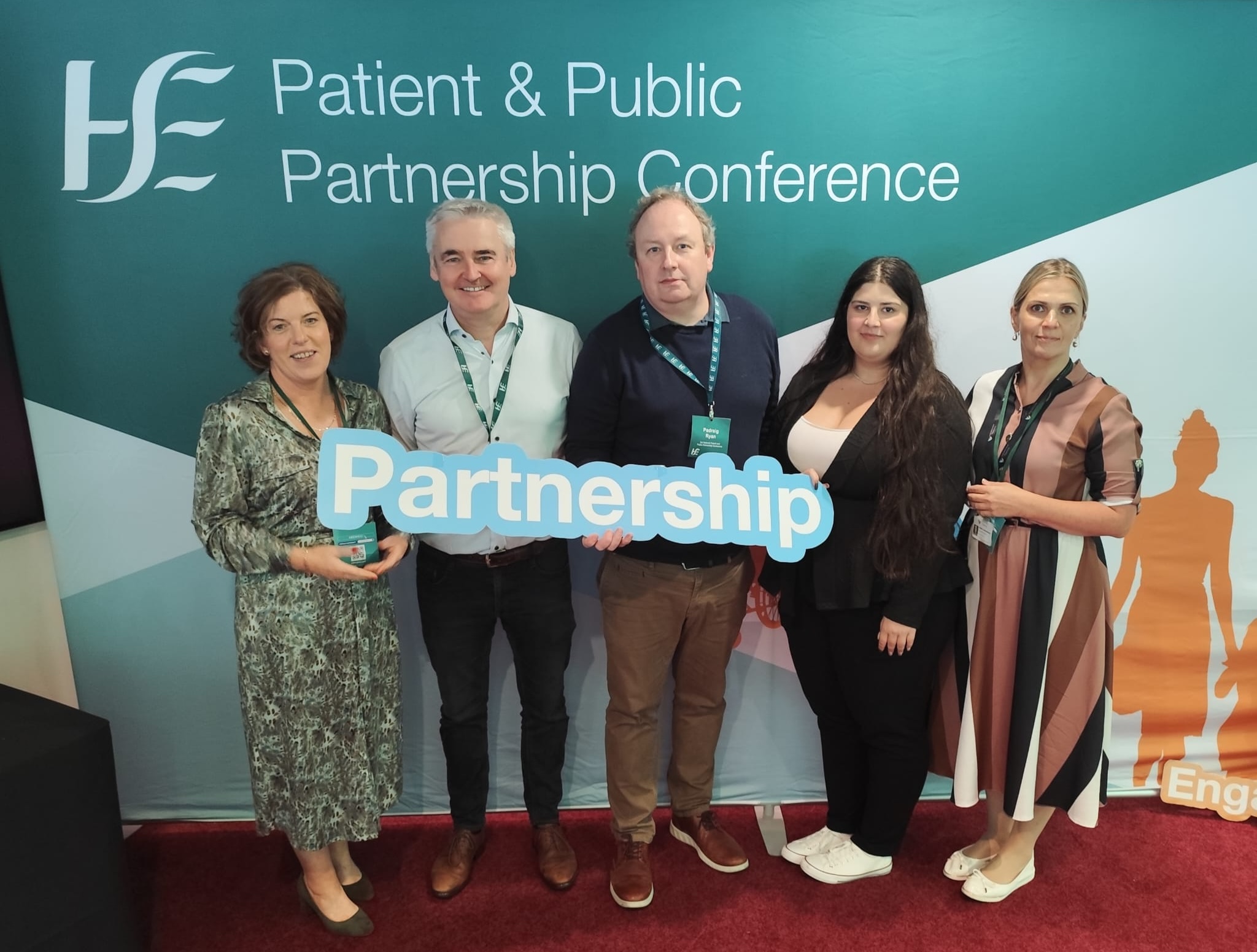
On 17 September 2025, colleagues from the HSE, Tipperary County Council and Youth Work Ireland Tipperary presented the Tipperary Roma Health and Accommodation Pilot Project at the Third National HSE Public and Patient Partnership Conference in Croke Park.
The project demonstrates how deliberate application of the Public Sector Equality and Human Rights Duty can translate into practical service change — strengthening governance, improving interagency collaboration and delivering measurable outcomes for marginalised communities.
Identifying the Inequality
The pilot emerged from the Tipperary Roma Health Project, managed by Youth Work Ireland Tipperary, which identified significant structural inequalities affecting Roma families.
A social determinants of health analysis found that by mid-2022:
75% of Roma families engaged with the project were homeless or at immediate risk of homelessness
Many were living in overcrowded or substandard accommodation
Tenancy documentation was frequently absent
Health outcomes were negatively impacted
An external evaluation confirmed that secure accommodation was the most urgent health-related need, as identified directly by Roma families.
This evidence base prompted a coordinated, interagency response.
A Duty-Grounded, Co-Production Approach
Launched in 2022, the pilot was led by Youth Work Ireland Tipperary in partnership with:
HSE Social Inclusion (Mid-West and South-East)
HSE Public Health
Tipperary County Council
Funding was provided by the HSE National Social Inclusion Office.
From the outset, the project was explicitly grounded in the Public Sector Equality and Human Rights Duty. A multi-stakeholder working group was established, including Roma representation, ensuring that the initiative was co-designed rather than service-led.
Three Integrated Strands of Action
1. Evidence and Direct Support
A dedicated project worker undertook a detailed equality- and rights-based housing and health needs assessment.
Established trust within the community was critical to engagement.
Families were supported to:
Access health services
Navigate housing applications and appeals
Engage with mainstream supports
Specialist advocacy strengthened the quality of housing applications and contributed to improved outcomes.
2. Embedding the Public Sector Duty in Governance
Parallel working groups were established within the HSE and Tipperary County Council.
These groups:
Developed equality and human rights values statements
Conducted formal equality and human rights assessments
Produced evidence-based Public Sector Duty Implementation Plans
These plans are now formally approved and embed equality and human rights considerations within broader organisational planning processes.
This represents a significant shift from project-level intervention to system-level change.
3. Shared Learning and National Relevance
As a demonstration initiative, documenting learning was central.
Outputs included:
A comprehensive needs assessment report
A full pilot evaluation report
A national shared learning event in 2024
This ensures that learning can inform practice across Health Regions and Local Authorities.
Impact for Communities and Services
For Roma families
Increased approvals for social housing supports
Improved access to health services and health information
Development of integrated care pathways for those experiencing homelessness
For services and governance
Stronger interagency homelessness prevention
Migrant rights and entitlements training for frontline Local Authority staff
Approved Public Sector Duty Implementation Plans in both partner organisations
Importantly, the pilot strengthened how equality and human rights are considered within decision-making structures — not as an add-on, but as part of core governance.
Key Enablers
Several factors were critical to progress:
Trusted relationships built by the Roma Health Worker
Meaningful Roma representation at Steering Group level
Close operational collaboration between the Pilot Project Worker and Local Authority colleagues
Alignment with the EU Ten Common Basic Principles on Roma Inclusion and the National Standards for Safer Better Healthcare
While changing institutional practice within a short timeframe presented challenges, a structured and values-led approach enabled measurable progress.
“When partnership, evidence and the Public Sector Equality and Human Rights Duty are brought together in action, meaningful and sustainable change is possible.”
What This Means for HSE Staff
This pilot provides a practical example of how the Public Sector Equality and Human Rights Duty can:
Strengthen governance
Inform service planning
Improve accountability
Enhance outcomes for marginalised communities
It demonstrates that embedding equality and human rights within existing structures — supported by evidence and community partnership — leads to more responsive and effective services.
The project has been extended in Tipperary, with funding secured until September 2026. Collaboration with the Department of Children, Disability and Equality has supported sustainability, and work is underway to replicate the model with Waterford City and County Council.
For HSE staff, the key message is clear:
Early engagement, structured application of the Public Sector Duty, and sustained partnership are essential to reducing health inequalities in practice.